5. Fossil fuels and deforestation: the missing roadmaps
5.1 Brazil’s Voluntary Roadmap Process (COP30 Presidency)
Land protection and Indigenous Peoples’ rights were hailed as bright spots at COP30, but fossil fuels and deforestation were relative disappointments.
Because consensus wasn’t reached on binding language to phase out fossil fuels or end deforestation, Brazil, Colombia and the Netherlands are now leading voluntary processes outside the COP to develop roadmaps on fossil fuels and deforestation
As COP30 president, Brazil announced that it will develop two voluntary, nonbinding global roadmaps outside the formal UNFCCC decision text:
- Roadmap on transitioning away from fossil fuels: The proposed UNFCCC roadmap to transition away from fossil fuels was backed by over 80 countries, but removed from the Mutirão text at the last moment after opposition from Russia, Saudi Arabia and others. Brazil has committed to deliver this roadmap by COP31 in 2026 (Turkey), using the time it remains as COP president to draw on technical studies and multi-stakeholder input.
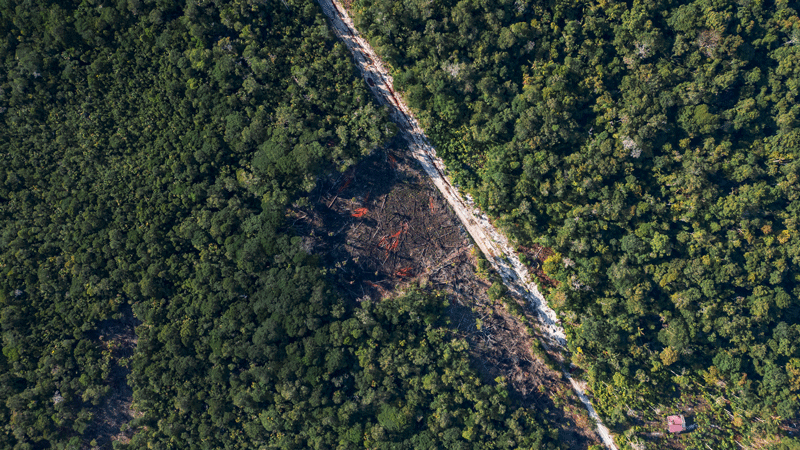
- Roadmap on halting and reversing deforestation: A parallel roadmap to end deforestation also failed to make it into the final decision, despite the Amazonian setting. Again, a voluntary, science‑based roadmap will be led by the Brazilian presidency, intended to mirror the fossil‑fuel roadmap as a parallel track on forests and land use.
5.2 Santa Marta Fossil Fuel Conference (Colombia and The Netherlands)
In parallel – and reacting to the same blockage at COP30 – Colombia and the Netherlands announced a new international conference specifically on the just transition away from fossil fuels.
- The First International Conference on the Just Transition Away from Fossil Fuels will be held 28–29 April 2026 in Santa Marta, Colombia.
- It’s intended to provide a broad intergovernmental and multi‑stakeholder platform that will identify legal, economic and social pathways to phase out fossil fuels in a way that is “fast, fair and fully financed”.
- Framed as a complementary process that will support and feed into COP31.
This means the struggle over extractivism (oil, gas, mining, agribusiness) is now being fought across two fronts: inside the COP – where petrostates still wield veto power; and in looser “coalitions of the willing” and voluntary roadmaps – where there may be more room for ambition, but fewer formal safeguards and accountability.
Useful Links