



Deep partnerships that heal nature, people and planet.

18 February 2026 / WORDS BY Pollination Foundation
Lately, we’ve been thinking a lot about community-led nature finance models, and for good reason. Many organisations at the forefront of addressing biodiversity loss and climate change move from one short-term grant to the next. While a patchwork of funding can keep projects and their organisations afloat, it rarely supports long-term stewardship, resilient livelihoods, or sustainable outcomes for people and nature.
To continue to live a good life on our planet, we believe this needs to change.
To spark new ideas, we’ve partnered with Coast Funds to highlight innovative community-led nature financing models. These case studies are designed to show how Indigenous leadership, local governance, and long-term thinking can shape financing models that are effective, equitable, and sustainable.
Over the coming months, we’ll share a series of case studies that peek under the bonnet, offering an in-depth look at the essential but often unseen inner workings — the engine room — of community-led nature finance solutions.
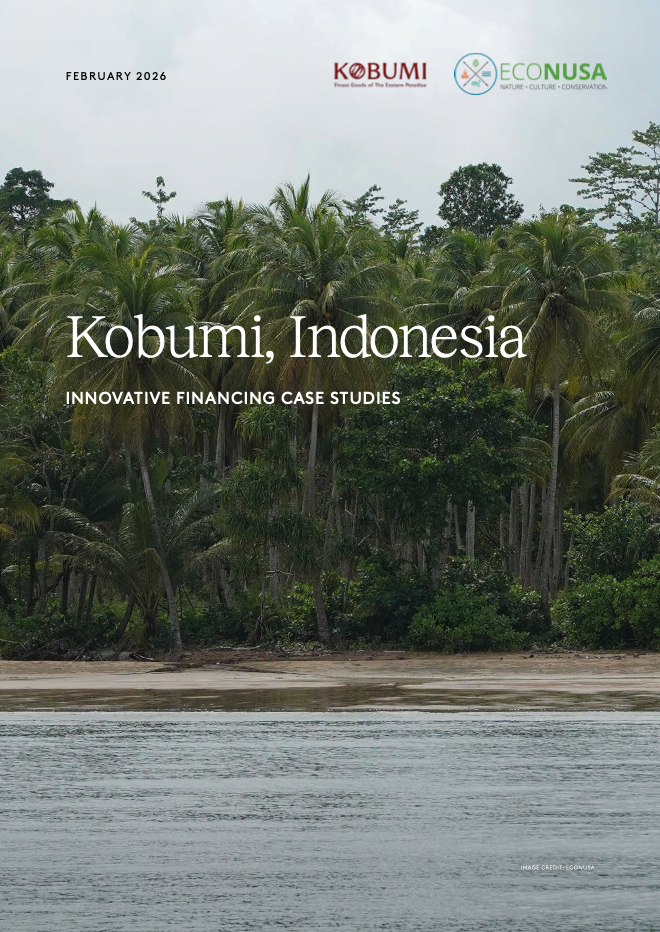
The first case study in our series focuses on Kobumi. Kobumi is a is a community-owned enterprise to “leverage Indigenous livelihood, food security and local economy to sustain forest and marine ecosystems” in Eastern Indonesia. The approach places community priorities and governance at the centre of conservation.
Kobumi demonstrates that conservation and livelihoods don’t need to be competing objectives. By integrating both, the community is building resilience for people while safeguarding ecosystems.
Download the report to explore how this model works in practice and understand the elements that would need to be in place for this model to be replicated in other locations.
Receive latest news and global perspectives from Pollination Foundation.
"*" indicates required fields
By clicking submit, you agree to our Terms & Conditions.