



Deep partnerships that heal nature, people and planet.

07 August 2026 / WORDS BY Pollination Foundation
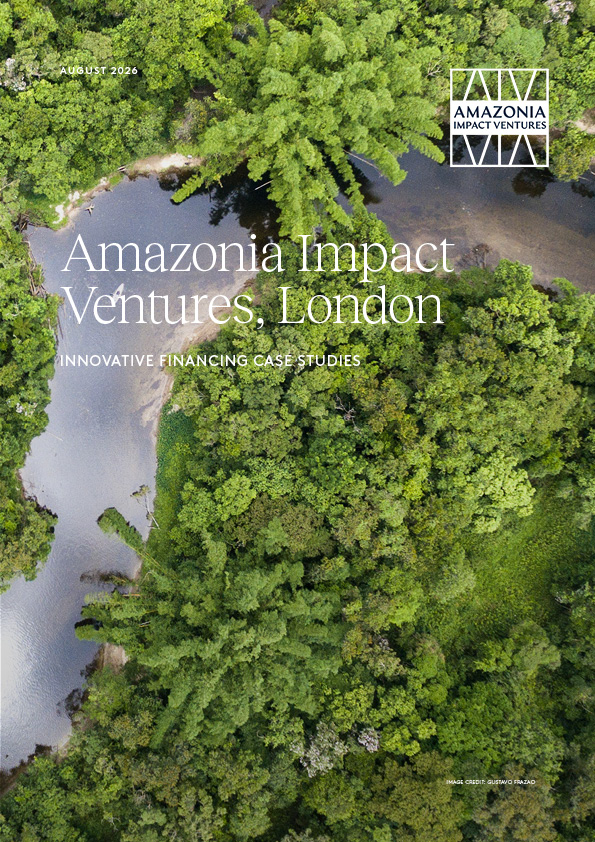
Our latest innovative financing case study explores how Amazonia Impact Ventures is using impact-linked loans to finance community-led and forest-positive enterprises across Peru, Ecuador, Colombia and Brazil.
The US$25 million Amazonia Impact Fund provides loans to cooperatives, Indigenous and community enterprises, farmer associations and other businesses working with local products. The loans enable enterprises to purchase crops from smallholder producers, meet seasonal working-capital needs, improve processing facilities and invest in regenerative agriculture and agroforestry.
What makes the model interesting in a nature context is that the cost of finance is linked to impact. Each loan includes agreed environmental and social targets, covering areas such as forests, biodiversity, livelihoods and gender equity. Borrowers that achieve those targets receive a lower interest rate.
The case study examines the practical “engine room” that allows this model to operate: how capital is blended, selecting borrowers, repayment schedules, measuring impacts, safeguards, and providing technical support. It also includes readiness questions, key risks and a practical checklist for organisations considering whether impact-linked lending could fit their own context.
Read the case study below.
Receive latest news and global perspectives from Pollination Foundation.
"*" indicates required fields
By clicking submit, you agree to our Terms & Conditions.