AMPLISEED

Building and weaving networks for lasting impact.

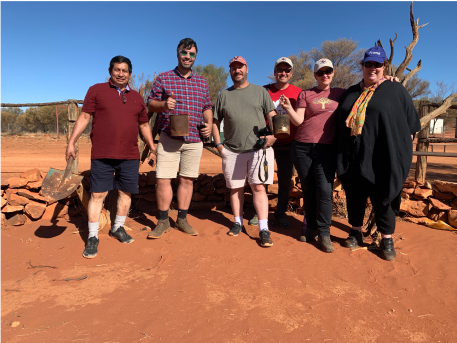
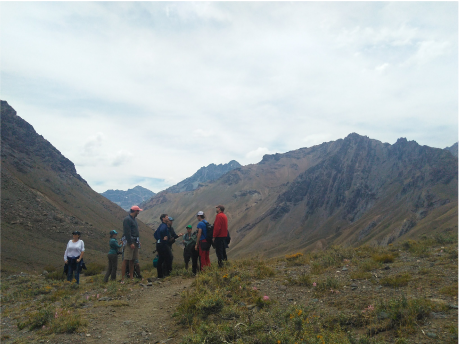
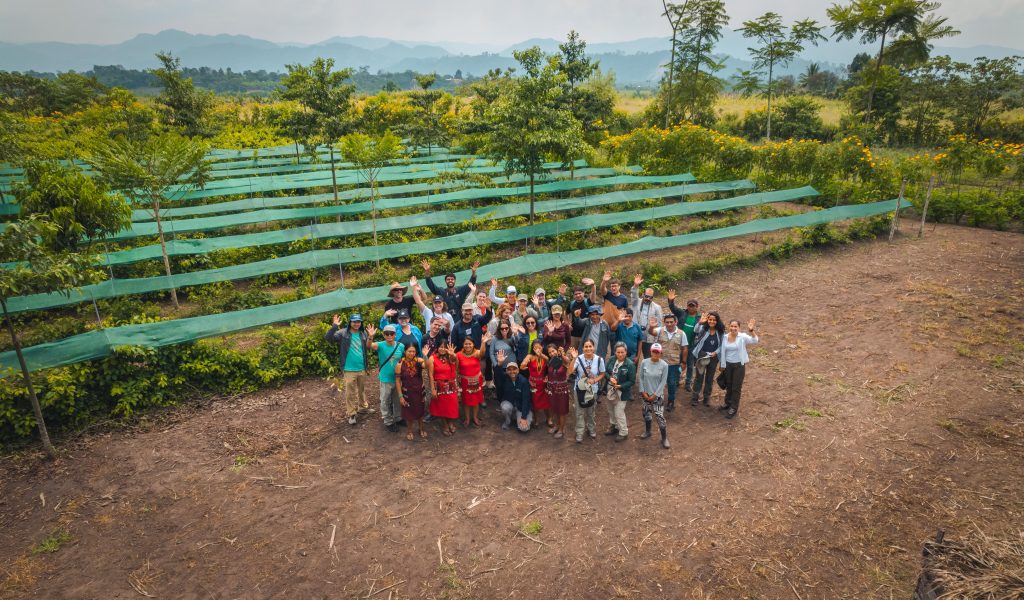
Ampliseed members exploring the community-run Tingana Conservation Reserve in Peru's highest flooded Amazon jungle.

© Bill Salazar 2024

CROSS-POLLINATE IDEAS

We connect practitioners and nurture high-trust relationships, engage and amplify collective learning, and support leadership and advocacy.

Ampliseed is an innovative learning and leadership network model.

The Ampliseed network was designed to cultivate a culture of learning and the leadership needed to achieve a climate-resilient, nature-positive future. At its core was a cornerstone belief that: “Alone, we only get so far; by sharing insights and learning together, we can achieve extraordinary impact.”


Ampliseed’s work (activities) centred around three pillars: sharing information, amplifying learning, and weaving a connected community of practice.

It provided trusted and safe spaces for members to exchange ideas and experiences. The collective insights were distilled into case studies and practical advice, extending lessons beyond our network to a wider audience. This network model was designed with members and shared openly (publicly), allowing others to replicate it. In 2021, external evaluators noted that our model was “at least meeting, if not exceeding, best practices for network design.” 

As a time-bound, five-year initiative, Ampliseed concluded its activities in December 2024. Over its life, it grew from a seed of an idea into a thriving global community of over 130 people – a diverse network of practitioners, leaders, and organisations advancing environmental resilience through connection and shared learning. Ampliseed united seven large-scale conservation projects across nine countries, spanning deserts, rainforests, reefs, and forests. 

The premise was simple: the knowledge is in the network. By connecting people doing complex work in place, Ampliseed accelerated learning, reduced isolation, and transformed individual projects into a collective movement for systemic change. 

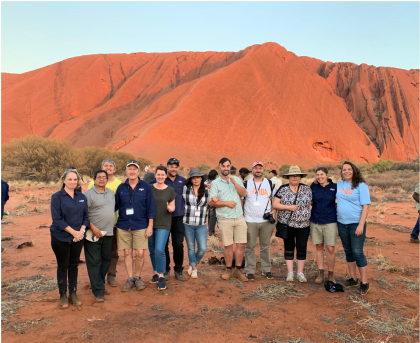
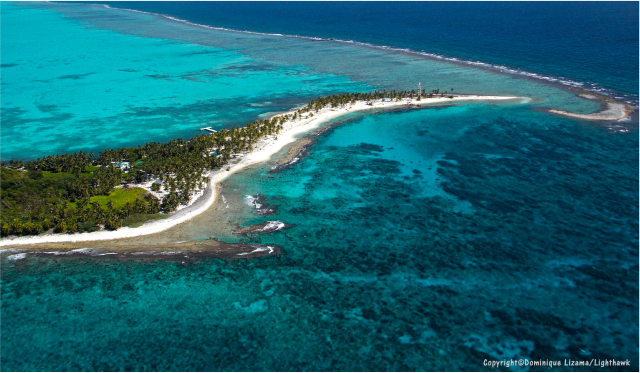
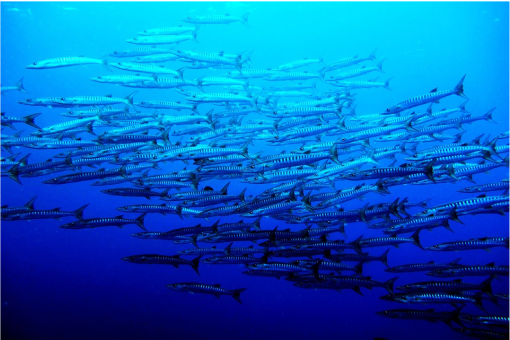
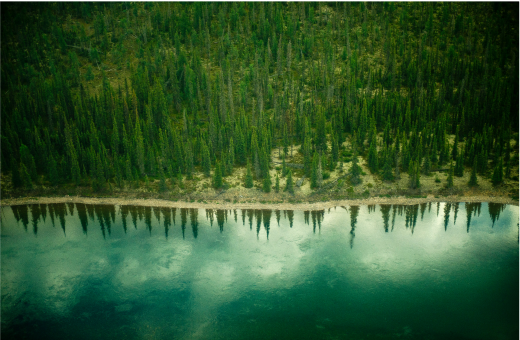
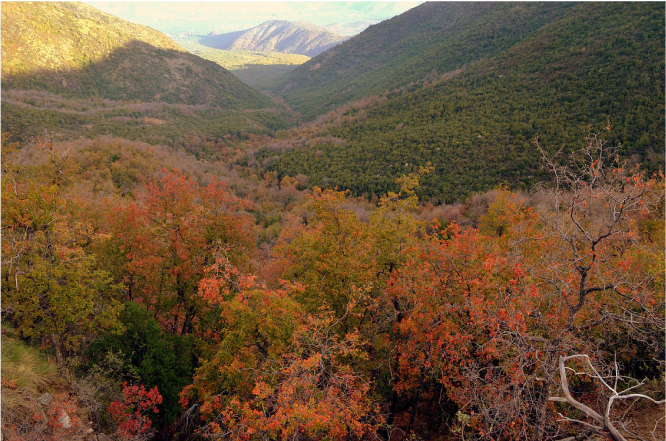
The seven projects supported by Ampliseed span locations as diverse as the snow-covered Boreal Forest in Canada, World Heritage Listed Coral Reefs, tropical rainforest in the Peruvian Amazon, Mediterranean habitat in Chile and Australia’s 10 Deserts.

Image credits
© CI Peru
© Great Barrier Reef Foundation
© Pollination Foundation
© Fundación Tierra Austral
© Nature United
© 10 Deserts Project

Pollination Foundation started its partnership with the BHP Foundation’s Environmental Resilience Program (ER Program) in 1999 to develop and deliver Ampliseed as a dynamic insights exchange connecting world class landscape-scale projects in diverse locations around the world, to share and amplify ideas for environmental resilience, globally.  

The suite of online knowledge-sharing activities developed for the program included exchanging expertise on carbon and biodiversity markets, sharing strategies for project monitoring and evaluation frameworks, and exploring community-based livelihood and enterprise models. In-person activities included place-based exchanges and coordinating advocacy events at global forums like the UN Climate Change and Biodiversity Conferences of Parties. 

Ampliseed Members/Environmental Resilience Partners and Projects included:

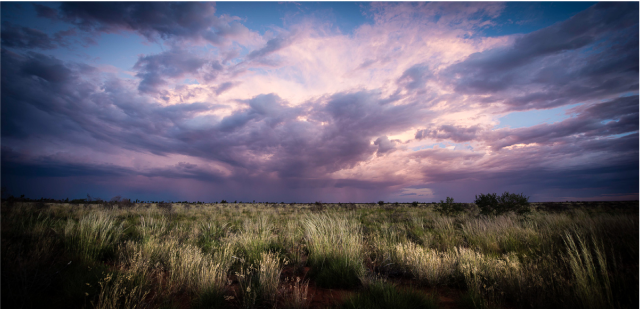
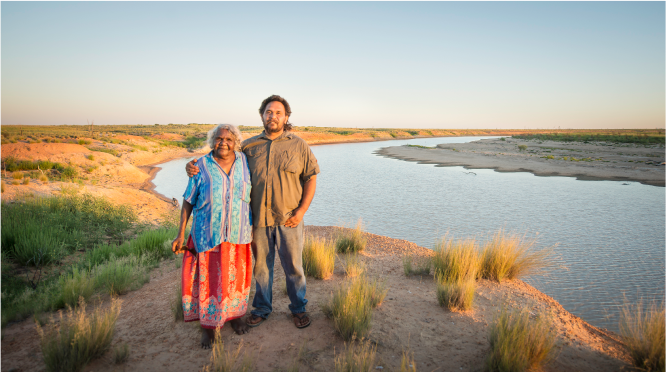
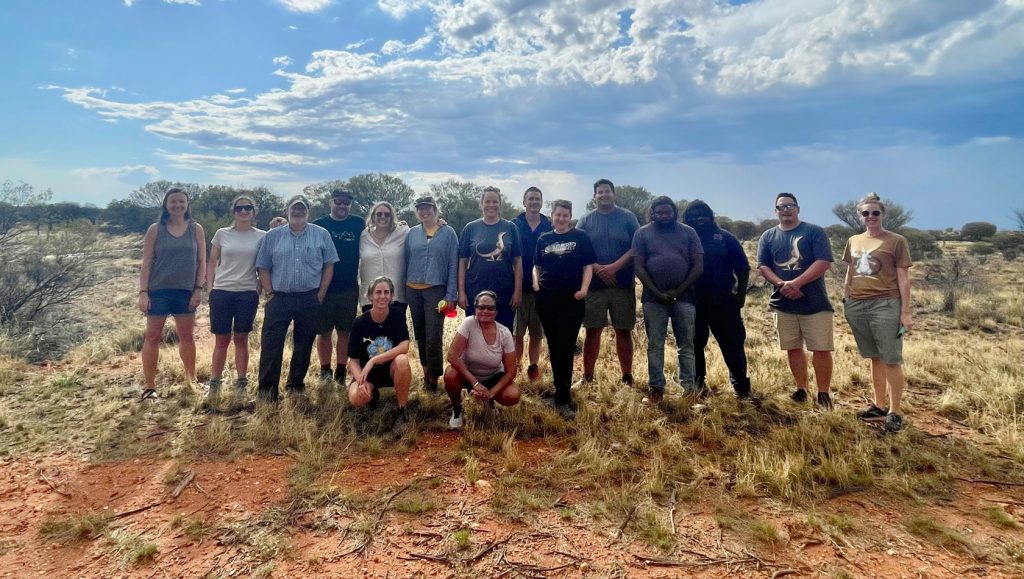
  • Indigenous Desert Alliance: IDA’s 10 Deserts Projectsustains the largest Indigenous-led connected conservation network on Earth that aims to keep Australia’s arid lands healthy for the benefit of the entire world.
  • Nature United: Forest Conservation in the Borealworks with First Nations in the Canadian boreal to help build a socially, economically and environmentally resilient future for Indigenous communities and for nature.
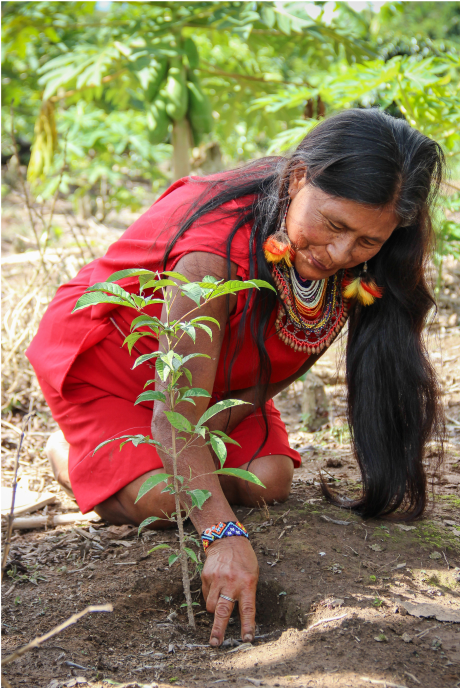
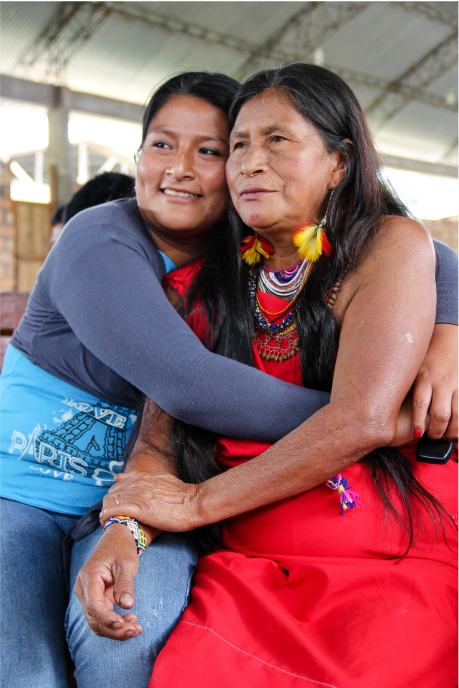
  • Conservation International: the Alto Mayo Projectsupports Awajún indigenous communities and migrant farmers become effective stewards of the landscape’s natural resources.
  • Great Barrier Reef Foundation: Resilient Reefs Initiative enhances the resilience of the world’s most treasured coral reef sites and the communities that depend on them to adapt to climate change and local threats.
  • Fundación Tierra Austral: The El Boldo to Cantillana Conservation Corridor in Chile is demonstrating a new model for conservation in Chile by using Chile’s new private lands protection tool, the Derecho Real de Conservación, that will help achieve conservation goals within a corridor of Chile-Mediterranean habitat. 
  • Rainforest Alliance: LandScale is a user-friendly assessment tool developed by the Rainforest Alliance, Verra and Conservation International that helps organisations to assess and credibly communicate sustainability performance at landscape scale.
  • The Nature Conservancy: The Valdivian Coastal Reserve is protecting one of the largest areas of temperate rainforest in Chile and is managed as a model for private conservation in Chile.

Learn more about Ampliseed here:

IMPACT

Empowering People and Relationships

At its heart, Ampliseed was about people. The most tangible impact of the network was on its members – as individual leaders and professionals. By regularly engaging with peers facing similar challenges, members gained confidence, skills, and broadened perspectives.

Participants affirmed that Ampliseed helped them connect, reflect, and adapt their work: for example, over 90% of members said the network helped connect them with peers, and almost 70% said it helped them reflect on and adapt learnings in their own context.

One member explained that even when new knowledge wasn’t applied immediately, “the example sits in my memory and makes for better project delivery and management…it’s been such a rich experience.”

Organisational Capacity Building

As Ampliseed members learned and grew more connected, their organisations benefited.

Practical solutions and insights shared by members during activities spread through the network. Ampliseed created what members described as “collective efficiency”: avoiding duplication, shortening learning curves, and raising the quality of work.

Ampliseed facilitated opportunities for joint initiatives that members recognised would have been difficult for any organisation to pursue alone. As an example, in 2022, all seven projects came together as a united delegation to the UN’s Biodiversity COP15 – an effort that was only possible through the network’s coordination. Participants reported that in several cases this allowed them to forge direct channels with national policy-makers that led to involvement in shaping new legislation, and in at least one case re-framing funding proposals to demonstrate alignment with the Kunming-Montreal Global Biodiversity Framework which helped to secure new funds. These collective efforts extended each project’s reach and voice beyond their individual scope.

Model replication

Funders and NGOs have reported they are replicating elements of the Ampliseed model – such as for water resilience networks and are implementing the lessons learned from curated training such as the Scaling and Systems Change session. This is an example of scaling out: the practices incubated within Ampliseed have been adopted by global organisations in other areas of their work, potentially benefiting dozens more projects.

Next Steps

Although the curated activities have concluded, Ampliseed continues to live on through the connections made between members which will endure for years to come.

Our insights and experience hosting and facilitating Ampliseed over the past 5 years are carried forward in the design of our 2030 Strategy.

Project partner

Facilitated in partnership with

logo

Ampliseed Publications

2024 Ampliseed Annual Report

30 September 2024 / WORDS BY Pollination Foundation

As we close another transformative year at Ampliseed, we reflect on the impact of our global learning and leadership network. Our collective efforts have strengthened connections among conservation practitioners and amplified the critical role IPs and LCs play in safeguarding our planet’s future.

read article

2023 Ampliseed Annual Report

19 October 2023 / WORDS BY Pollination Foundation

This year our report reflects on Indigenous leadership, strengthening networks and creating enduring resilient ecosystems through support and funding that puts culture at the front of conservation activities.

read article

Project Contact

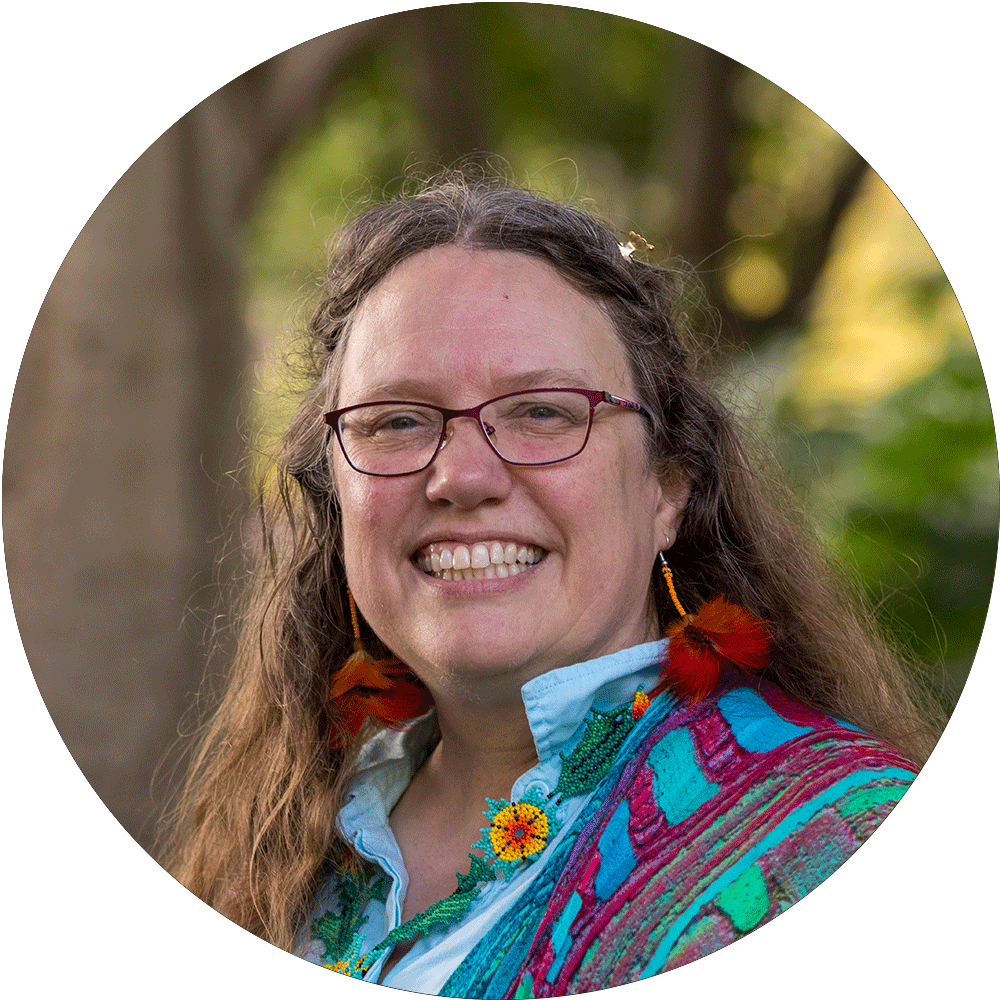
Kirsty Galloway McLean

Executive Director

Kirsty is a leader in global environmental governance and knowledge management, including 15 years with the UN working on sustainable development and information sharing. She is passionate about making policies practical, information accessible, and the power of people-led nature conservation. Kirsty previously led the climate change and communications department of the Traditional Knowledge Initiative at Japan’s United Nations University, and she set up the first globally distributed information exchange system under international law for the Convention on Biological Diversity in Montreal. She ran the cross-disciplinary research Centre for the Mind at the Australian National University, was an advisor on risk assessment and intellectual property for the Australian government, and established BioChimera, a Melbourne-based consulting firm that specialises in assisting international environmental agencies and philanthropic foundations working with Indigenous peoples. Kirsty has authored four books on climate change and Indigenous peoples, edited several scientific and technical journals, and written numerous articles on climate change adaptation, mitigation, REDD+, safeguards, access and benefit-sharing, Indigenous livelihoods, and traditional knowledge.

connect
team-portrait

NEXT INITIATIVE — Women in Fire Initative

Networking women living and working in communities around the world to share fire knowledge, aid conservation, and support their economic security.

VIEW INITIATIVE